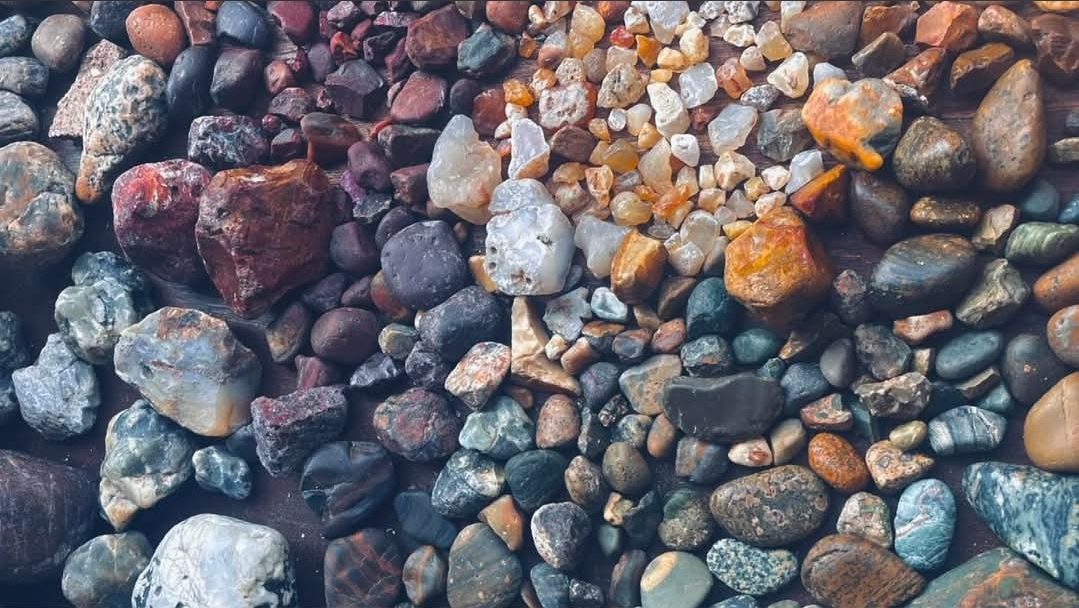
Pacific Northwest · Lapidary · Field Notes
Peter Herres Field Guide
Stone. Water. Time. And whatever looked interesting enough to carry home.
Field Notes
The geology comes first
A record of places, stones, and the process of turning what Peter finds into something worth keeping. The finished object is the last chapter—not the first.
The water comes forward.
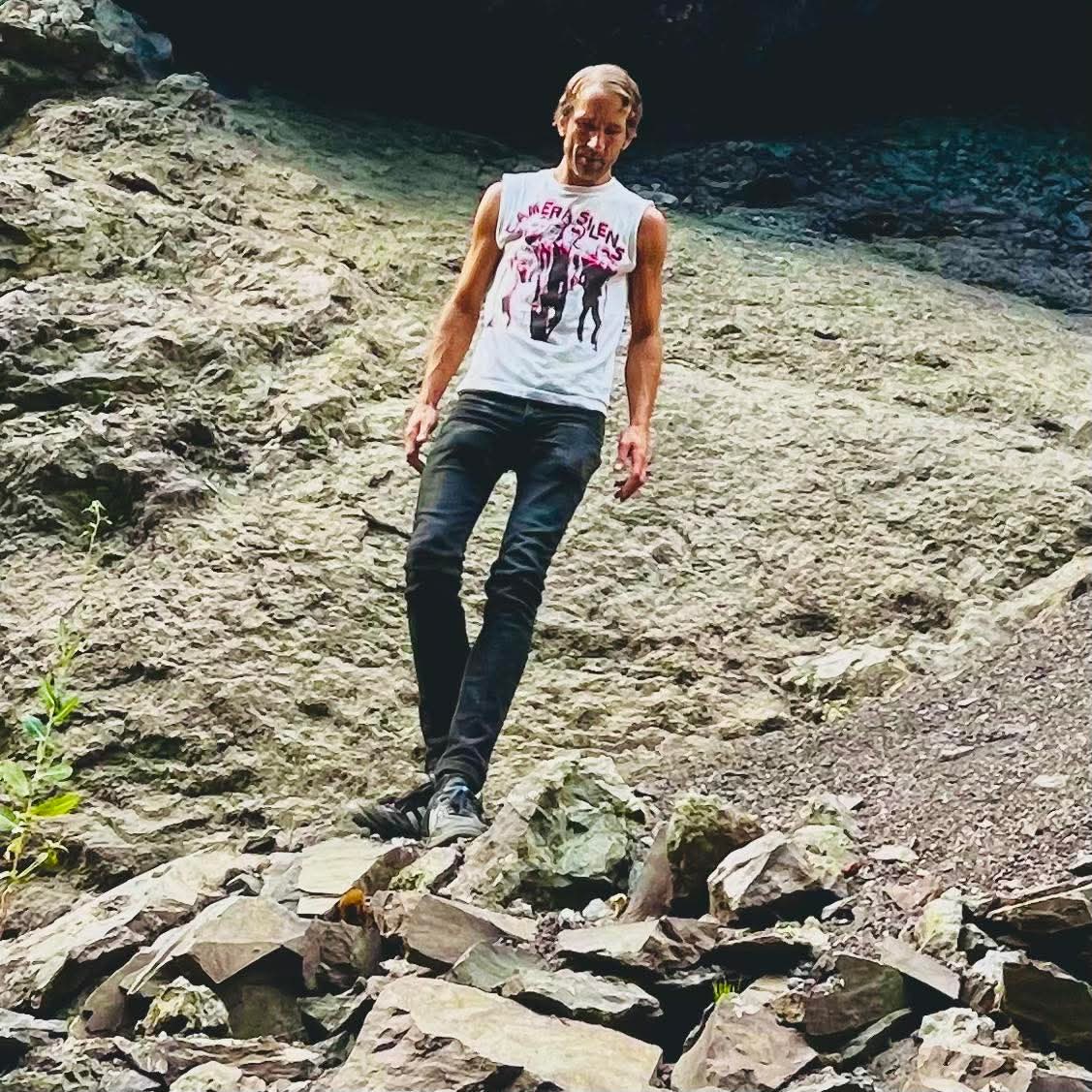 Where the material begins.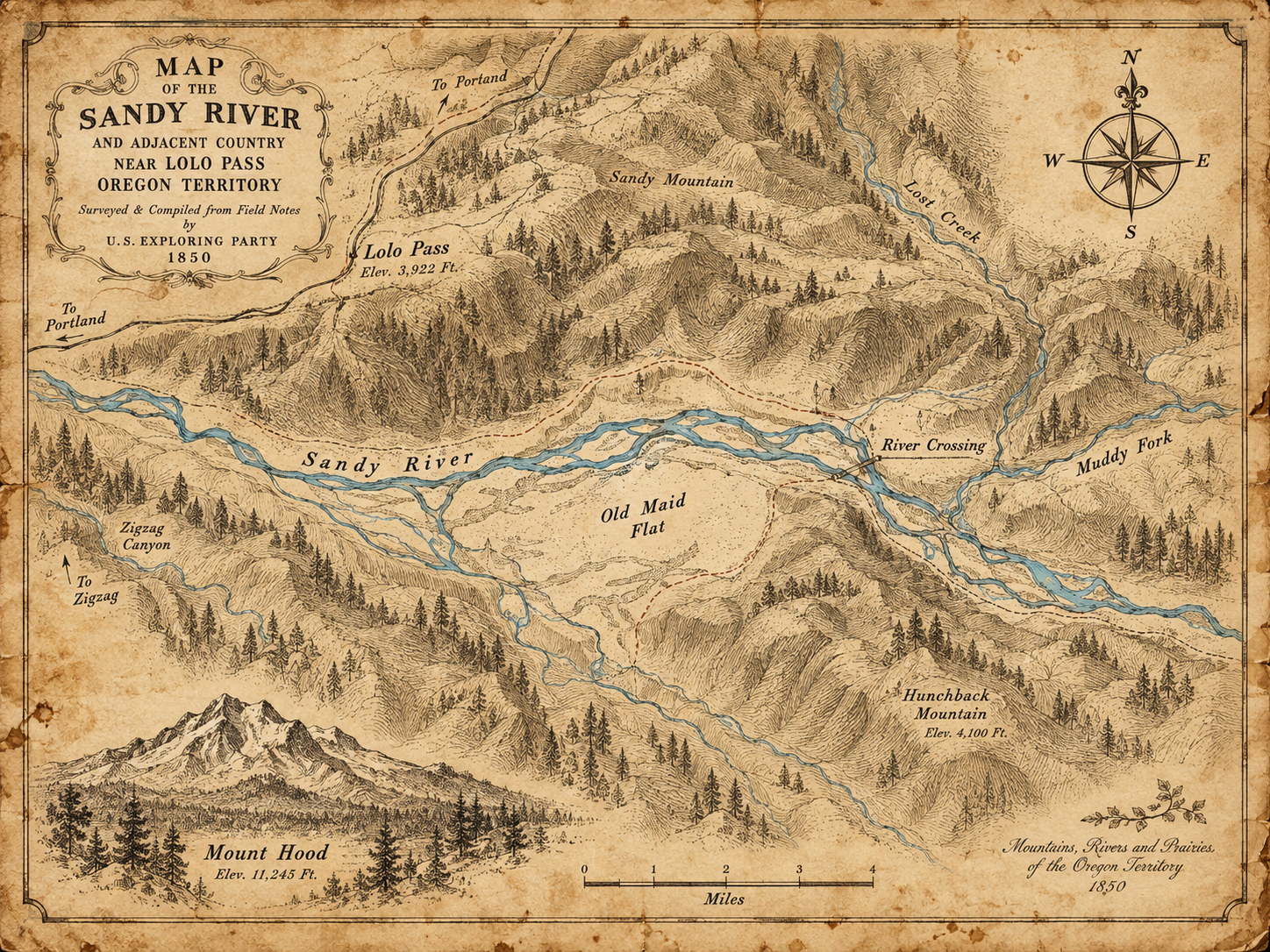
Field Material
Carry home the strange ones
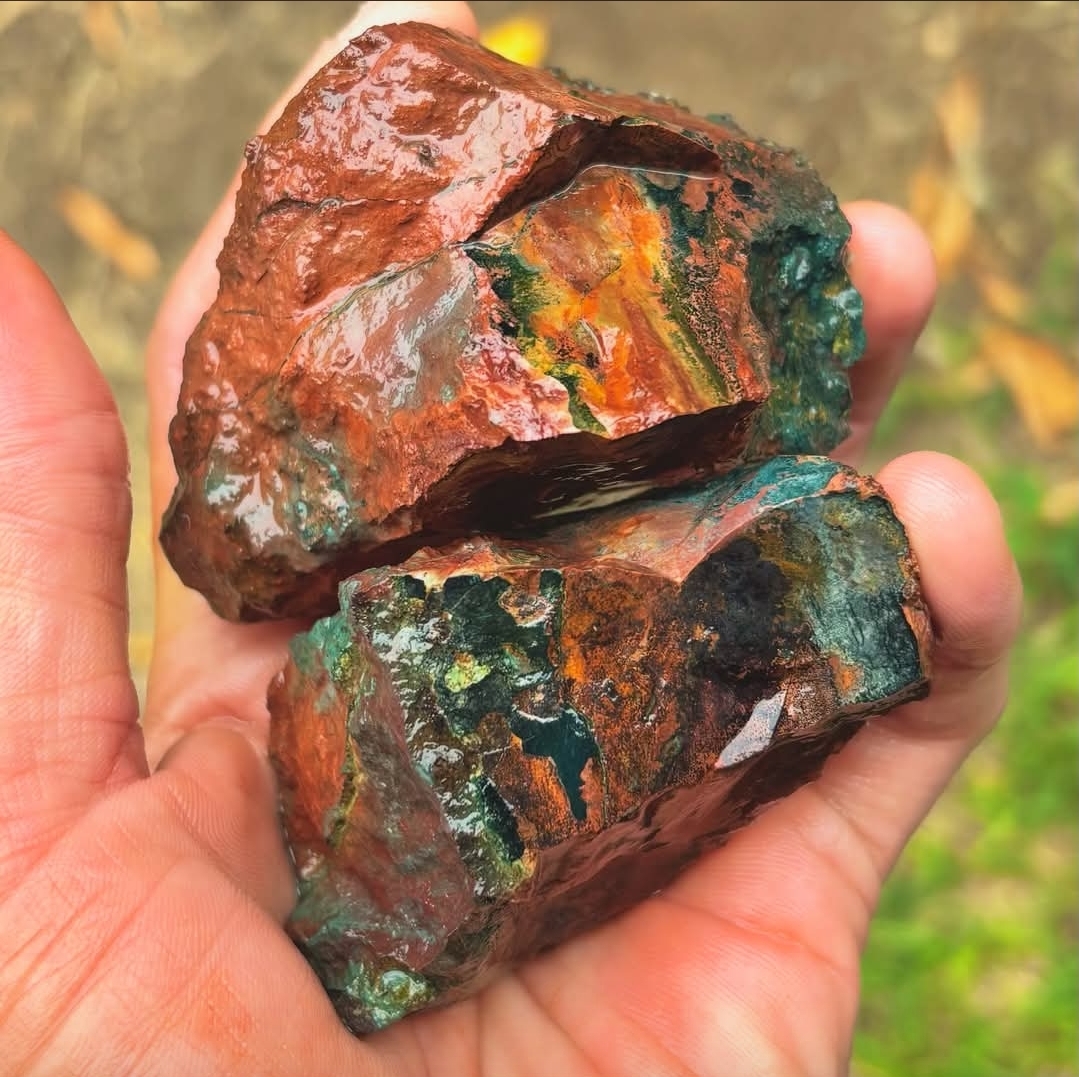
Color waits inside the rough. The first task is noticing what the river, bank, roadcut, or burned slope has exposed.
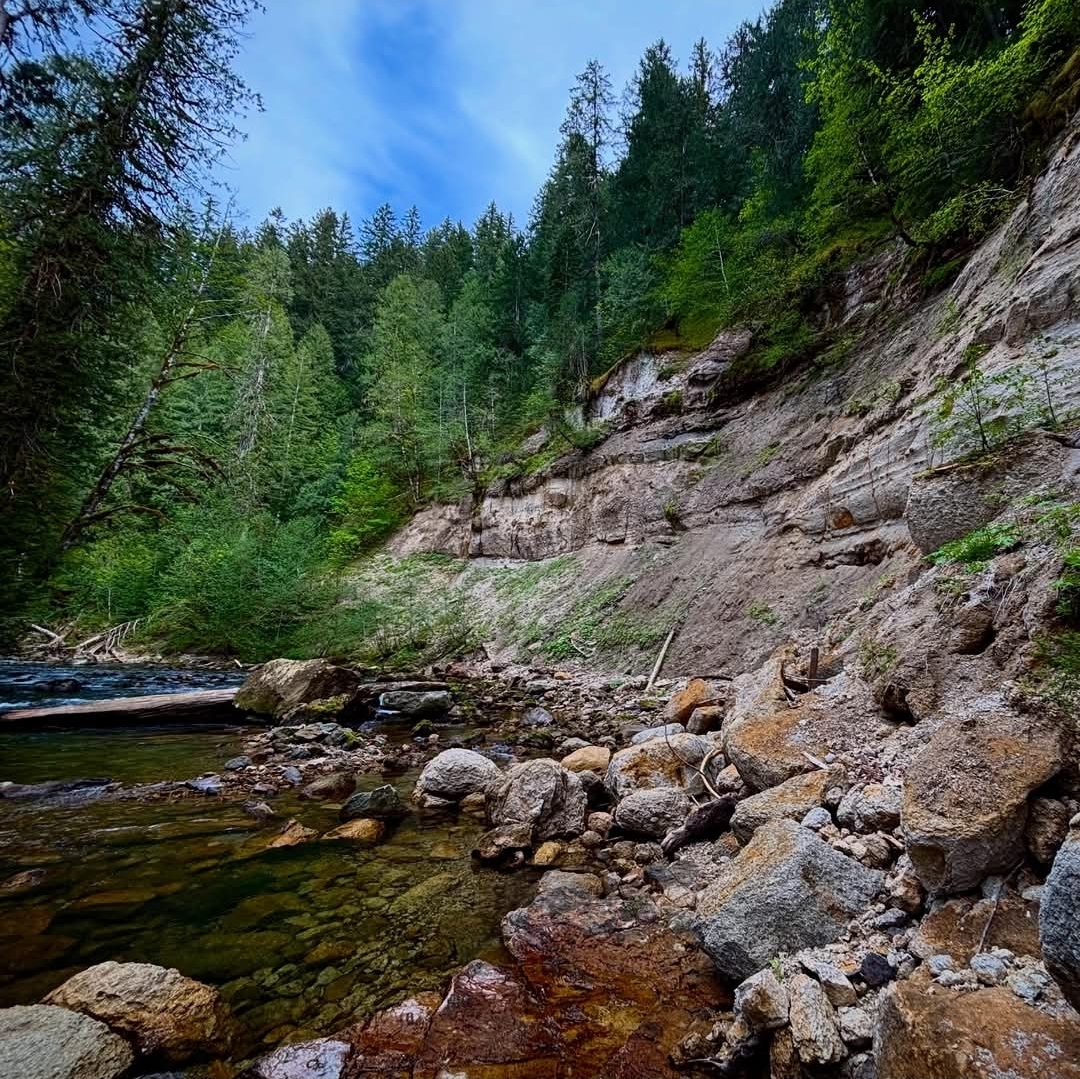
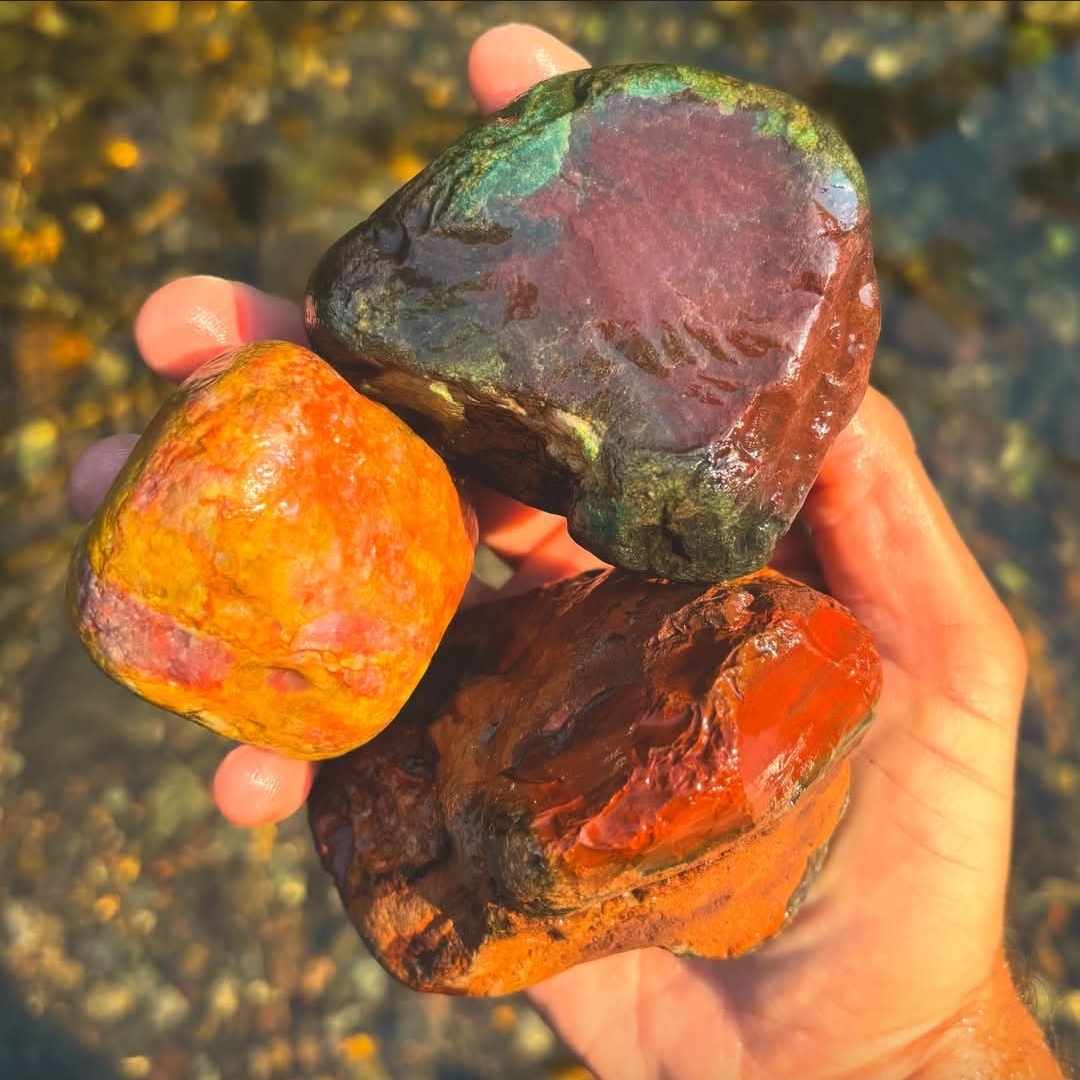
Same river. Different day.
The Lapidary Process
Found · Selected · Cut · Finished
Rough material
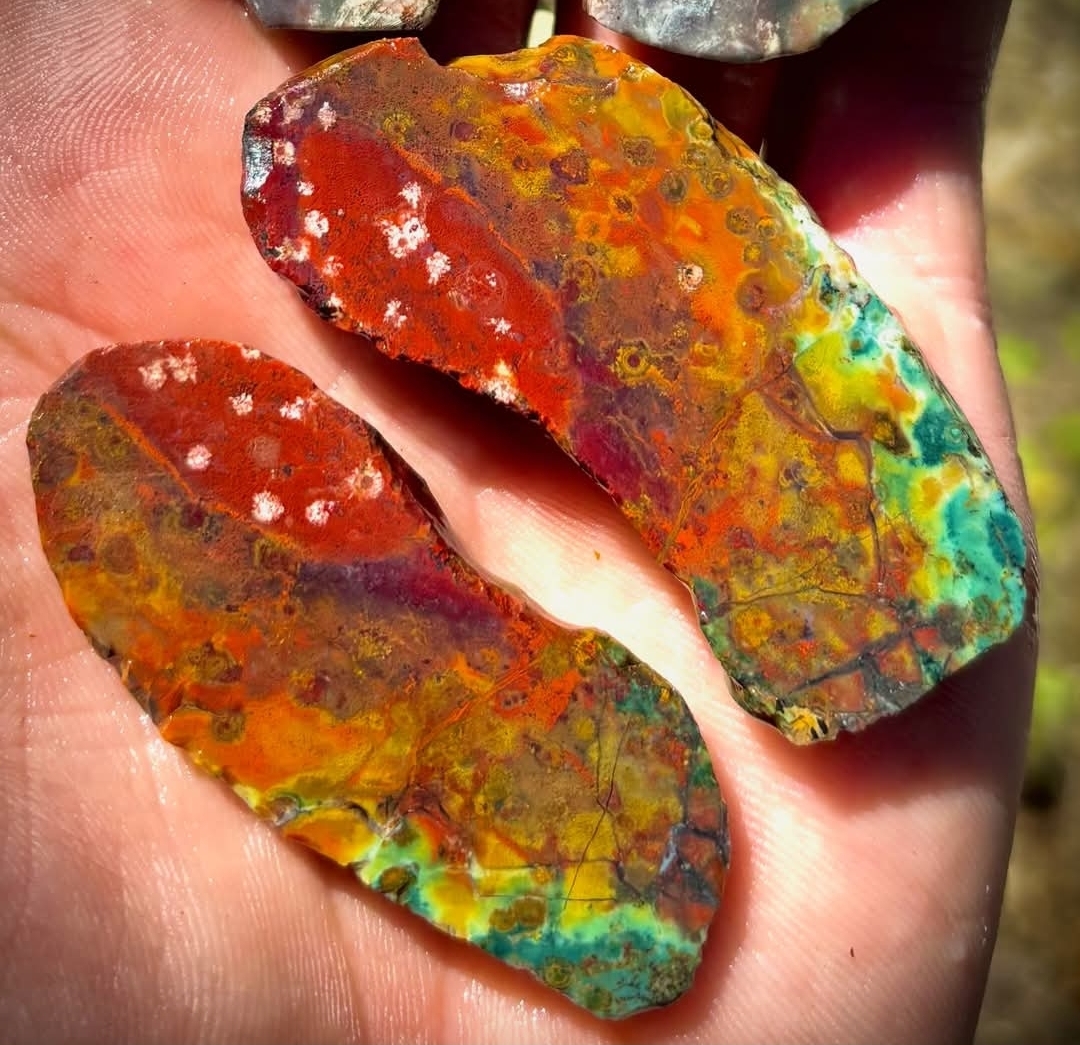
Faces revealed
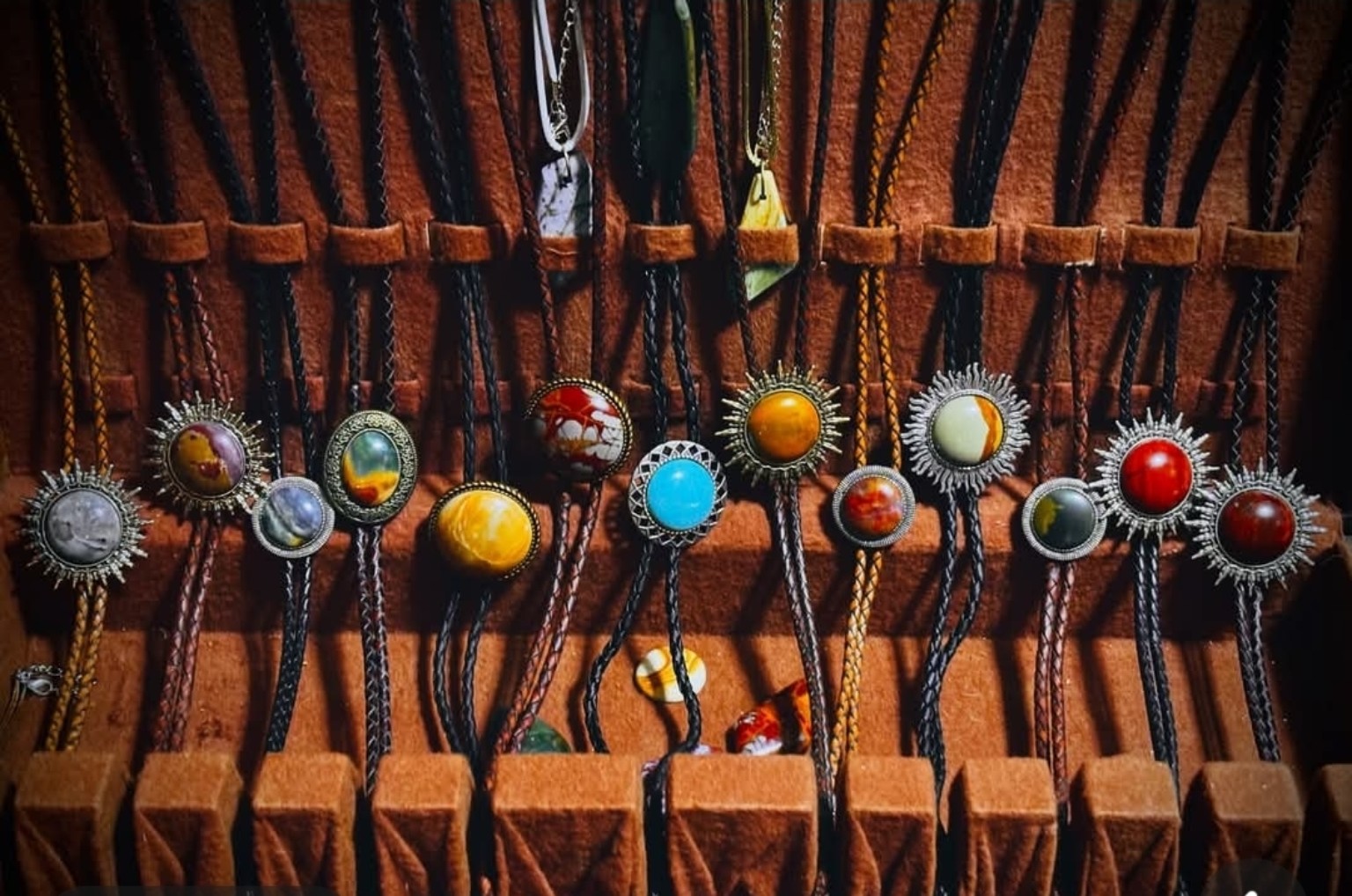
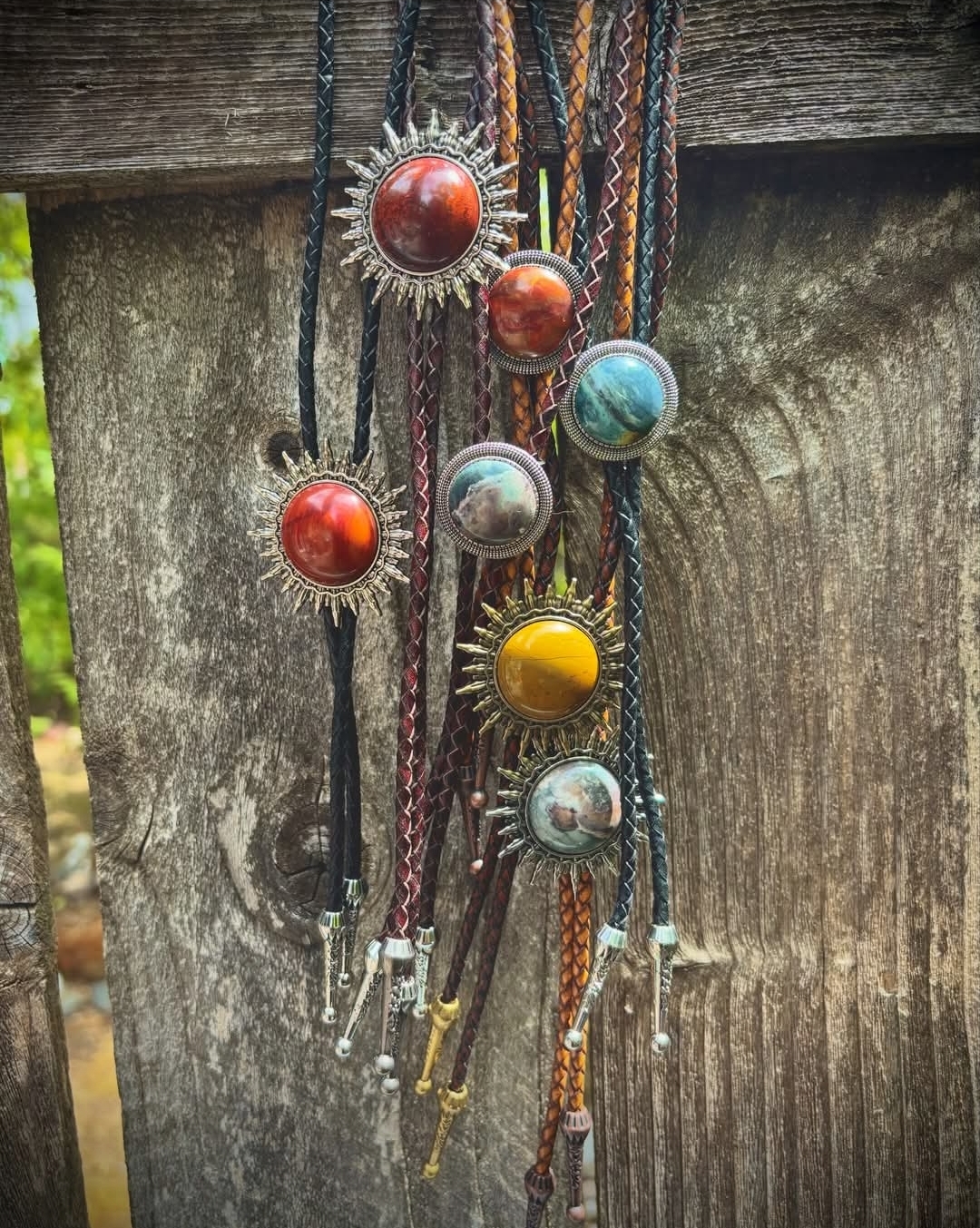
Bolo ties
Finished Work
Stone that kept its history
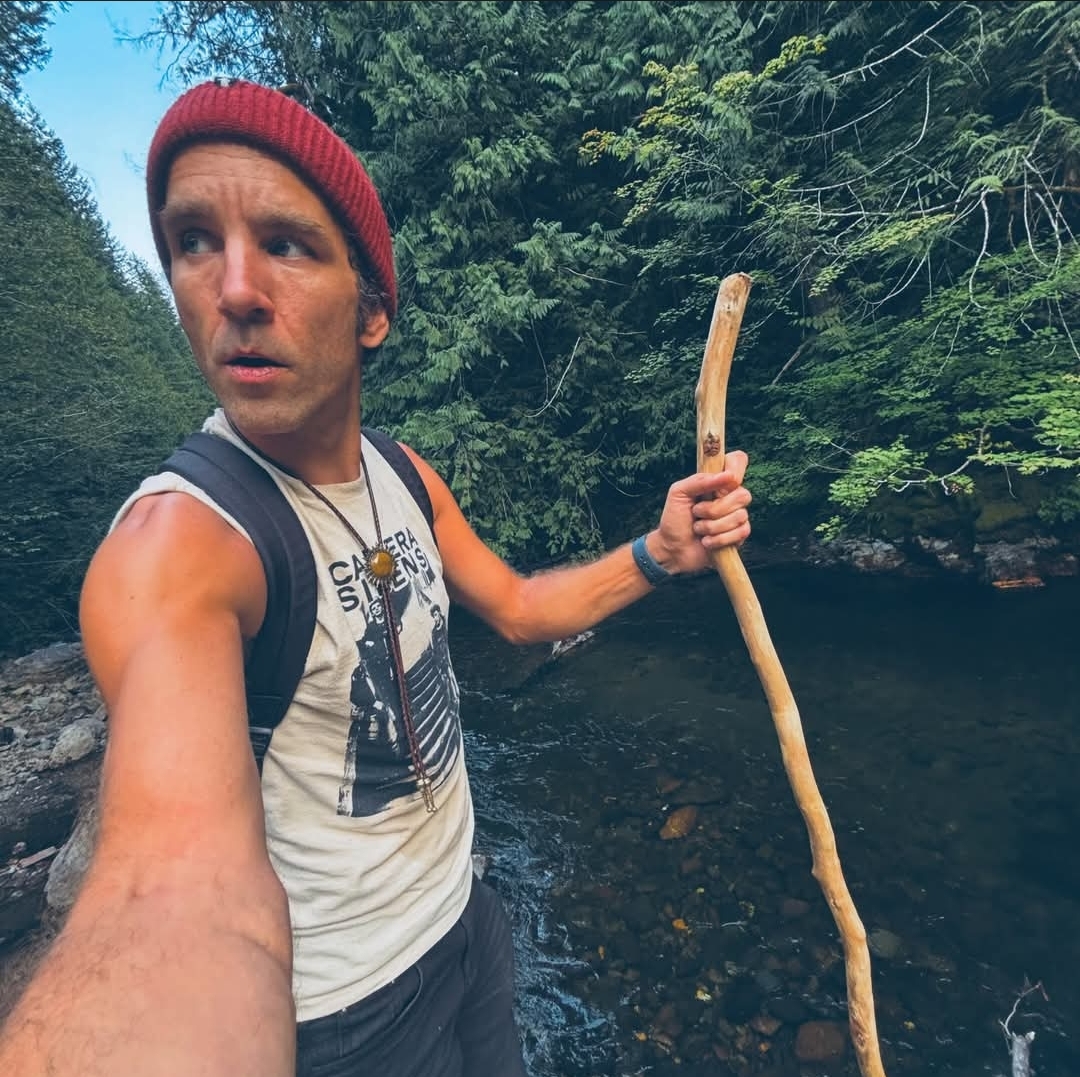
In the Field
Rockhound Explorer Lapidary Artist
The work starts outside—creeks, roadcuts, volcanic country, and the geology underfoot. Always looking down, because that is where the story begins.
A huge part of why I enjoy this hobby so much is the geological knowledge I get to apply. And sharing that knowledge with people means more to me than money.